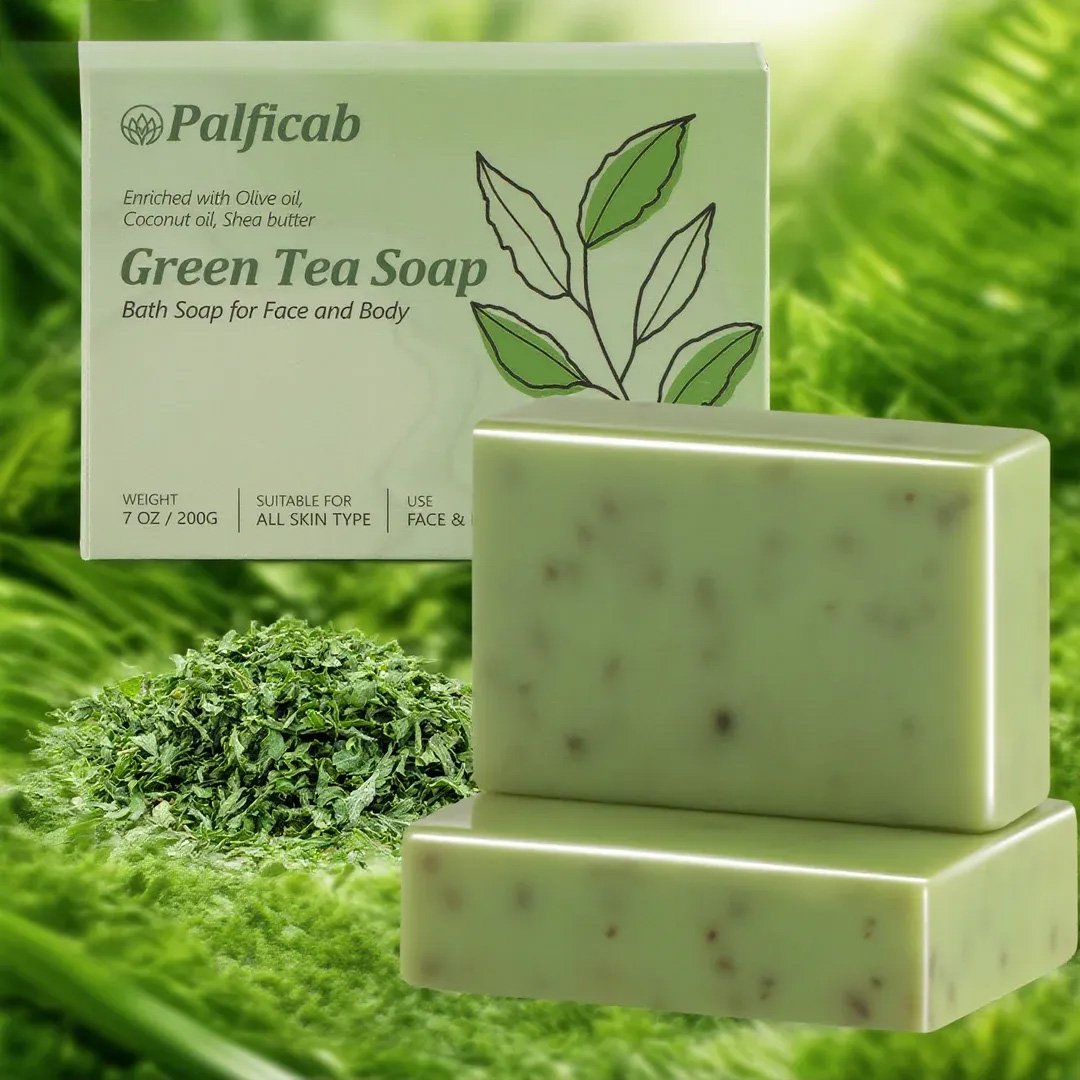



Discover the secret to healthier skin and a healthier planet. Natural soaps are changing the way we care for our skin. These soaps use plant-based ingredients and essential oils instead of harsh chemicals. They provide simple, effective cleansing while protecting the environment. Discover how natural soaps can revolutionize your skincare routine.
How Natural Soap Can Improve Your Skin
Natural soaps are crafted using traditional methods to preserve glycerin. Glycerin is a natural humectant that attracts moisture from the air to your skin. Plant oils like olive oil and coconut oil are rich in vitamins and antioxidants. They work perfectly with your skin's natural oils, providing deep hydration without clogging pores. Natural soaps have a pH level closer to your skin's natural balance, helping to reduce irritation and redness. Essential oils like lavender and tea tree oil provide natural antibacterial protection. They gently cleanse without disrupting your skin's protective barrier.
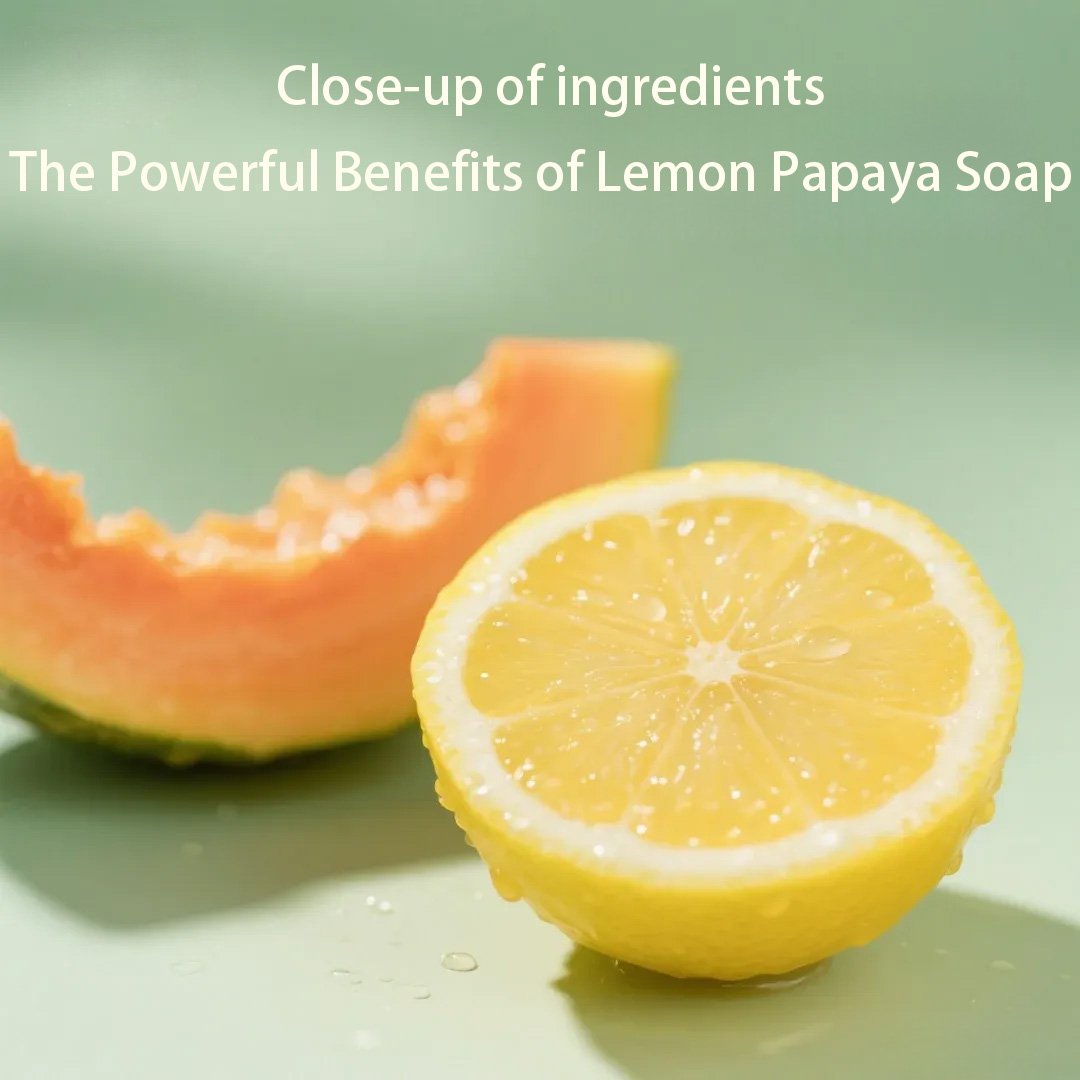
The Powerful Benefits of Lemon and Papaya Soap
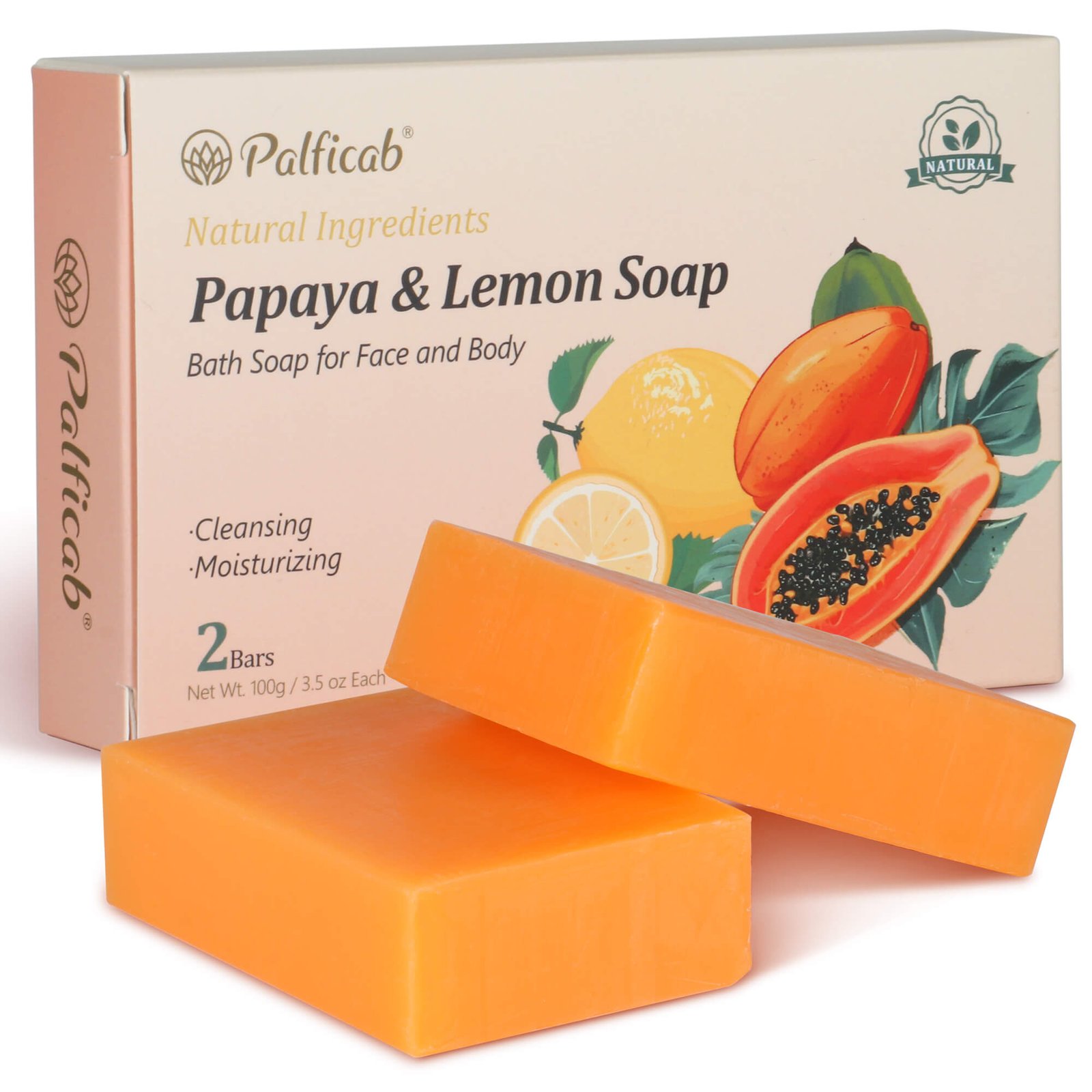
Papaya soap contains a natural enzyme called papain. It gently exfoliates dead skin cells, revealing a radiant, new skin. Lemon soap uses lemon essential oil to brighten and even skin tone. Both ingredients are suitable for sensitive skin types.
Papaya Soap:
- Naturally exfoliates without irritation
- Enriched with vitamins A and C to promote skin repair
- Helps reduce dark spots and blemishes
Lemon Soap:
- Provides natural antibacterial protection
- Helps control excess oil
- Leaves a fresh, clean feeling
Why Natural Soap Helps the Planet
Natural soaps use biodegradable ingredients. They don't pollute waterways like many commercial soaps. They are often made from sustainably sourced materials, which supports ethical farming practices. Traditional soap making methods consume less energy than large-scale soap production. Most natural soaps use minimal packaging or recyclable materials, significantly reducing plastic waste.
Easy Switch to Natural Soap
Your skin may need a few days to adjust to natural soap. Start by using it once daily and gradually increase the amount. Always moisturize after using natural soap. Look for soaps containing shea butter or jojoba oil for dry skin. Oily skin will benefit from soaps containing tea tree oil or lemon. Read the label and avoid soaps containing synthetic fragrances or preservatives. Store natural soap in a well-drained soap dish. This will help your soap last longer and maintain its properties.
Natural Soap Facts and Myths
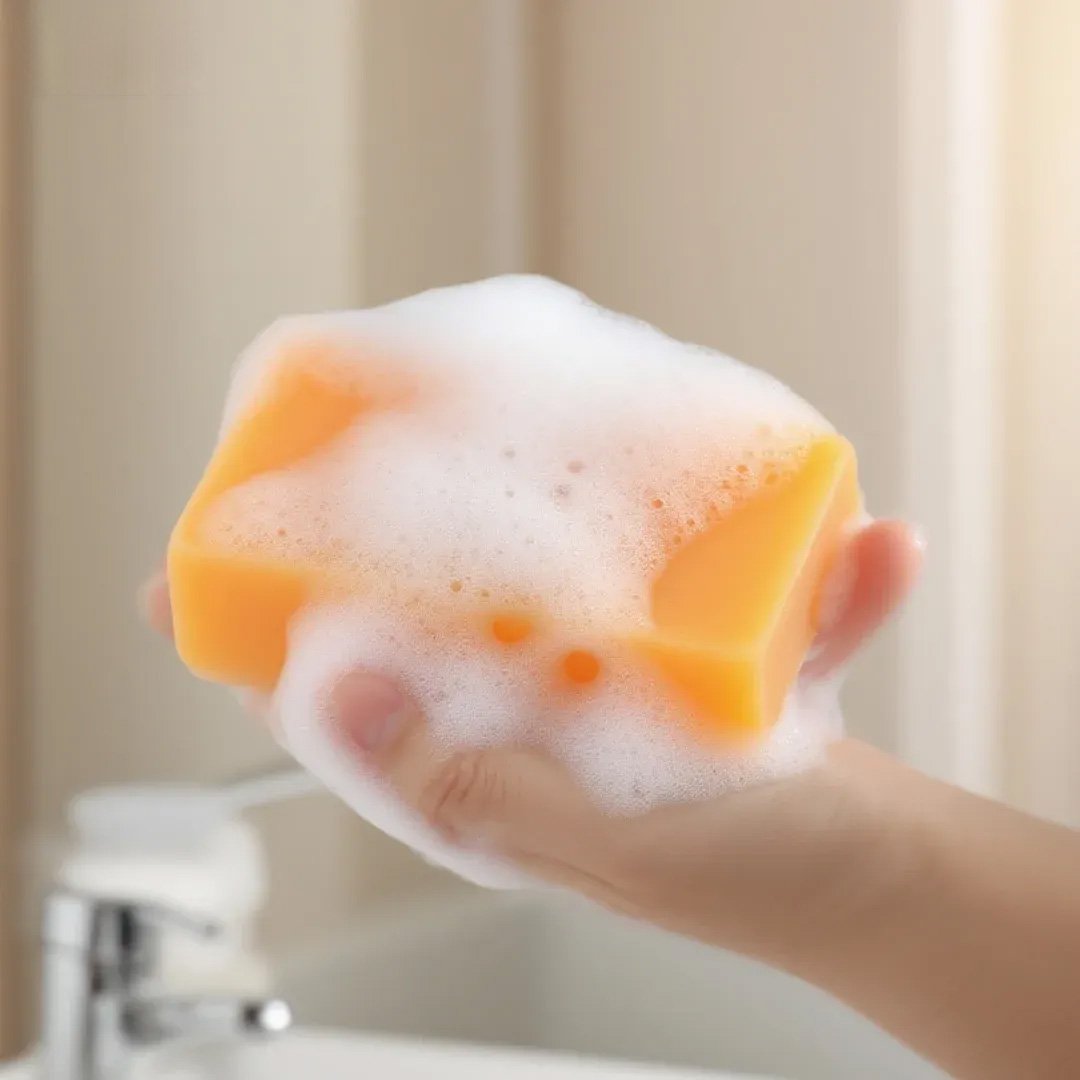
Some people believe that natural soaps don't clean effectively. In fact, natural oils create a rich lather that deeply cleanses pores. Another misconception is that natural soaps don't last long. When stored properly, natural soaps can last for months. Natural soaps may cost more, but they generally last longer.
Why Natural Soaps Are the Future of Skincare
Natural soaps are revolutionizing the skincare industry, offering sustainable options to environmentally conscious consumers. These soaps are made with botanical ingredients, essential oils, and natural processes, free of synthetic chemicals. Modern skincare products often contain synthetic preservatives that can negatively impact skin health. Natural soaps are bringing back simple, effective skincare routines with multiple benefits.
The Science and Benefits of Natural Soap
Natural processes preserve glycerin, a natural humectant that commercial soaps often remove. Plant oils' fatty acids are similar to skin lipids, providing enhanced moisturization. Natural soaps have a pH closer to the skin's natural state, reducing the risk of irritation. Essential oils like lavender and tea tree oil have antibacterial and anti-inflammatory properties. Furthermore, natural soaps help maintain a balanced skin microbiome, which is key to healthy skin. Ingredients like olive and coconut oils are rich in vitamins and antioxidants, helping to protect against environmental damage.
Key Ingredients: Lemon and Papaya Soap
The papain in papaya is a natural exfoliant that gently breaks down dead skin cells without irritation. The limonene in lemon essential oil has astringent and brightening properties, helping to even out skin tone. Papaya is rich in vitamins A and C, which promote collagen production and skin repair. Lemon's natural antibacterial properties are ideal for acne-prone skin. These soaps are gentle cleansing and suitable for sensitive skin. You can incorporate them into your daily skincare routine or even try a simple DIY recipe.
Environmental and sustainability advantages
Natural soap's ingredients are biodegradable, reducing water pollution, while commercial soaps may contain microplastics and synthetic chemicals. Sustainably sourced ingredients support ethical farming and biodiversity. Natural processes are more energy-efficient than industrial soap production. Natural soaps often come in minimalist packaging, reducing plastic waste. Supporting natural soap brands also supports local economies and artisans. While free of synthetic preservatives, properly stored natural soaps have a longer shelf life and help reduce waste.
Practical Tips for Switching to Natural Skincare
When transitioning from commercial skincare to natural soap, your skin may need time to adjust to the absence of synthetic moisturizers. For best results, combine natural soap with an oil-based cleansing method. Hydration and moisturization are important in natural skincare, as natural soaps may not contain synthetic moisture-binding ingredients. When choosing a natural soap for oily, dry, or sensitive skin, carefully read the ingredient list and avoid products containing synthetic additives or palm oil. Natural soaps can be easily integrated into your existing skincare routine without interfering with other products.