


The quest for radiant, spotless skin has led millions to explore botanical remedies. Among these, few ingredients are as celebrated—and misunderstood—as citrus. A quick browse through beauty forums reveals DIY lemon cleansers and citrus-infused bars promising to banish dark spots, even out complexion, and impart a dewy morning glow. However, a lingering and crucial question remains: is lemon in skincare safe in the sun?
If you have ever experienced an unexpected sting, sudden redness, or worsening hyperpigmentation after washing with citrus products and stepping outdoors, you are not alone. Understanding lemon soap sun sensitivity is essential for anyone aiming to fade stubborn discoloration without causing long-term epidermal trauma. In this comprehensive guide, we will unpack the dermatological science behind citrus phototoxicity, evaluate the real risks of wash-off soaps versus leave-on treatments, and explore clinically sound, skin-loving alternatives designed to brighten your skin safely all year round.
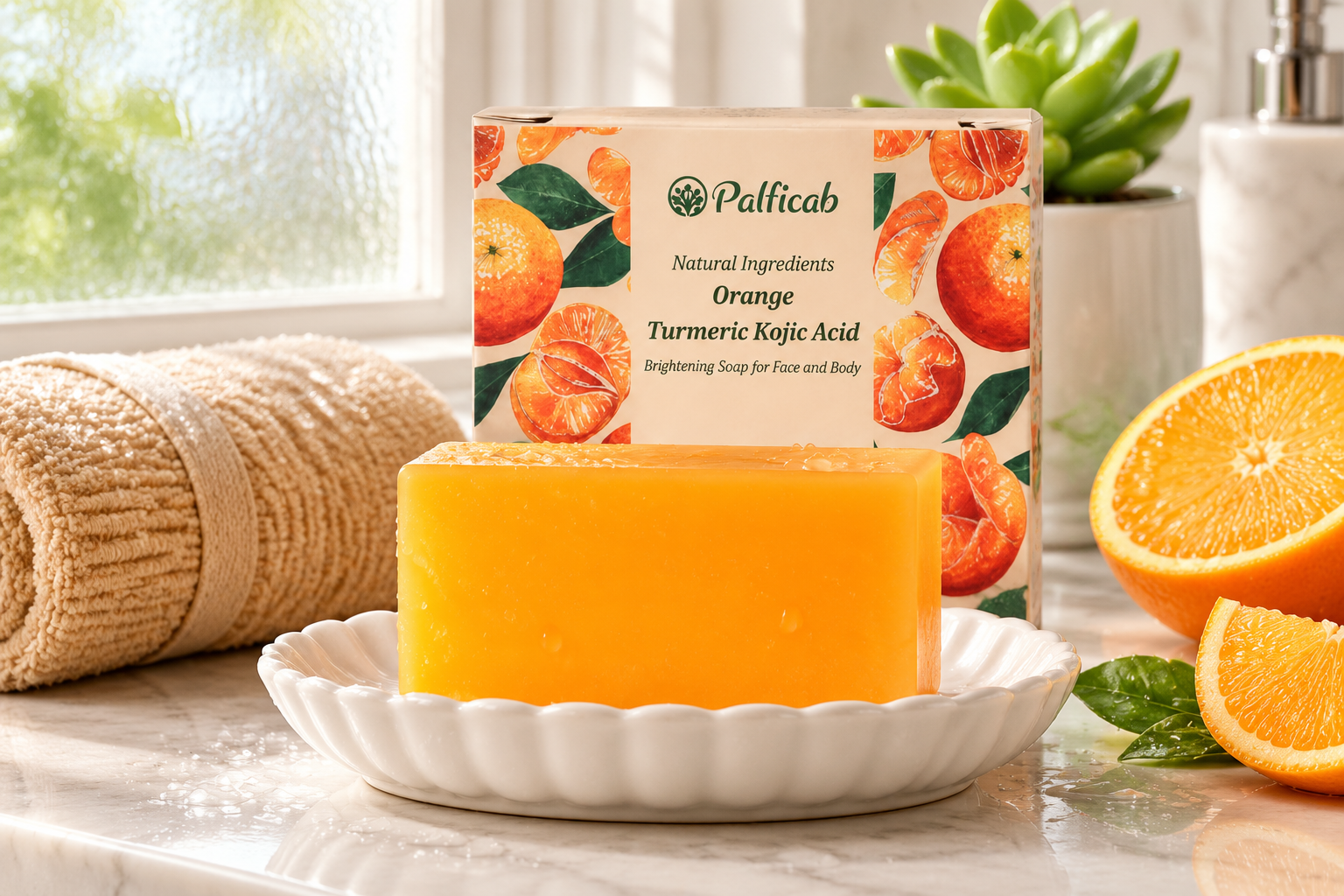
The Science of Citrus: Why Raw Lemon and Sunlight Can Be a Dangerous Mix
To understand why citrus creates skin vulnerability, we must examine botanical biochemistry. Citrus fruits, particularly raw lemons, limes, and bergamot, contain naturally occurring organic chemical compounds known as furocoumarins, most notably psoralen. When psoralens are applied to human skin and subsequently exposed to ultraviolet A (UVA) light, an intense biochemical reaction takes place within cellular DNA.
This reaction induces a phototoxic inflammatory response known in clinical dermatology as phytophotodermatitis. Unlike a standard allergic reaction, phytophotodermatitis does not involve your immune system; it is a direct photochemical burn. Symptoms typically emerge 24 to 48 hours post-exposure and can include:
- Severe Erythema: Deep redness and heat resembling an aggressive sunburn.
- Blistering & Edema: Fluid-filled blisters that form in patterns where the juice or oil touched the skin.
- Persistent Post-Inflammatory Hyperpigmentation (PIH): Dense, mottled brown patches that can take months or even years to fade.
Raw lemon juice also possesses an exceptionally acidic pH (between 2.0 and 2.5). Human skin, by contrast, thrives within a naturally protective, slightly acidic mantle of pH 4.5 to 5.5. Dousing the skin in unbuffered lemon disrupts this delicate barrier, stripping lipids and leaving the stratum corneum defenseless against UV penetration and environmental oxidative stress.
Lemon Soap Sun Sensitivity: Does Rinsing Wash Away the Risk?
A frequent question asked by skincare enthusiasts is: Does lemon soap trigger the same sun sensitivity as raw lemon juice? The short answer is: it depends heavily on the formulation and the specific citrus derivatives used.
When you cleanse with a wash-off bar, contact time is brief—typically 30 to 60 seconds. However, if an artisanal or unrefined bar soap is scented with cold-pressed lemon essential oil or contains unfiltered lemon rind oils containing intact furocoumarins, trace lipid residues can remain on the skin even after thorough rinsing. When exposed to harsh midday sunlight, these residual furocoumarins can still accelerate photo-reactivity, leading to heightened UV sensitivity, irritation, and paradoxical darkening of existing blemishes.
Conversely, professionally formulated cleansing bars that rely on distilled citrus extracts, stable Vitamin C derivatives, or gentle botanicals eliminate phototoxic psoralens while retaining the antioxidant benefits of citrus. To determine whether your routine is safe, you must distinguish between volatile home remedies and well-balanced brightening bars.
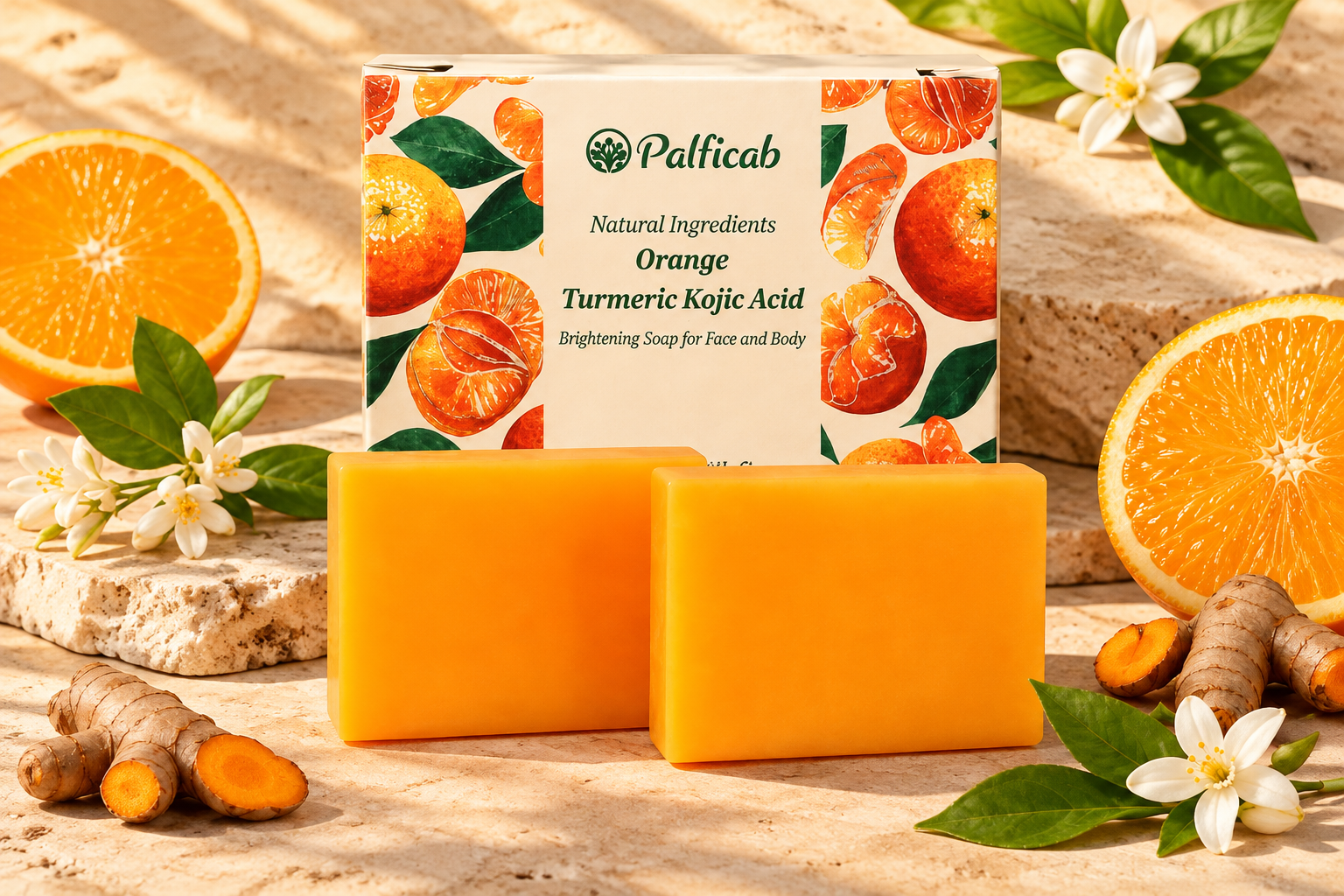
Raw Kitchen Remedies vs. Expertly Formulated Brightening Bars
Many consumers turn to DIY citrus hacks in an attempt to address melasma, age spots, and uneven tone. Unfortunately, raw kitchen concoctions carry substantial risks compared to balanced, dermatologically crafted cleansing bars. The table below outlines how crude citrus treatments compare to thoughtfully stabilized cosmetic formulations:
| Attribute | Raw Lemon Juice / DIY Soaps | Formulated Brightening Cleanser |
|---|---|---|
| Psoralen Content | High (elevated phototoxic risk) | Filtered or Psoralen-Free |
| pH Balance | 2.0 – 2.5 (Damages moisture barrier) | 5.0 – 6.5 (Skin-compatible & gentle) |
| Hyperpigmentation Impact | Often triggers secondary PIH | Directly targets tyrosinase synthesis |
| Sun Safety Level | Extremely Unsafe under direct UV | Safe when combined with daily SPF |
A Smarter Alternative: The Synergy of Kojic Acid, Turmeric, and Sweet Orange
If harsh, unrefined lemon soap poses too many hazards, how can you effectively achieve a brighter, more uniform complexion? Dermatologists and aesthetic formulators advocate for targeted active ingredients that inhibit melanin production at the enzymatic source without stripping the skin’s barrier or causing acute phototoxic reactions.
An exceptional example of this modern formulation philosophy is the Palficab Natural Ingredients Orange Turmeric Kojic Acid Brightening Soap. Rather than exposing delicate skin to abrasive citrus acids, this luxurious formula combines three powerhouse botanicals that work in harmonious synergy:
1. Kojic Acid: The Melanin Moderator
Derived from fermented fungi during sake production, kojic acid is a clinically proven inhibitor of tyrosinase, the fundamental enzyme responsible for synthesizing melanin. By modulating excess pigment production without the cellular toxicity associated with more aggressive lightening agents, kojic acid gradually fades acne scars, dark underarms, bikini line discoloration, and sun freckles.
2. Turmeric (Curcuma Longa): The Calming Shield
Where acid-based cleansers cause irritation and peeling, turmeric provides essential soothing relief. Packed with curcuminoids, turmeric possesses potent anti-inflammatory and antioxidant properties. It neutralizes free radicals generated by environmental stressors and suppresses redness, making it the perfect partner for active brightening agents.
3. Sweet Orange Oil: Pure Radiance Without the Burn
Unlike raw lemon, sweet orange oil provides high concentrations of bioavailable Vitamin C and rich d-limonene to enhance cellular turnover and restore lackluster tone, while avoiding the dangerous phototoxic spikes characteristic of unrefined lemon oils. When incorporated into a moisturizing, foaming cleansing base like the Palficab Natural Ingredients Orange Turmeric Kojic Acid Brightening Soap, it washes away dullness and unclogs pores, leaving skin silky, luminous, and supple.
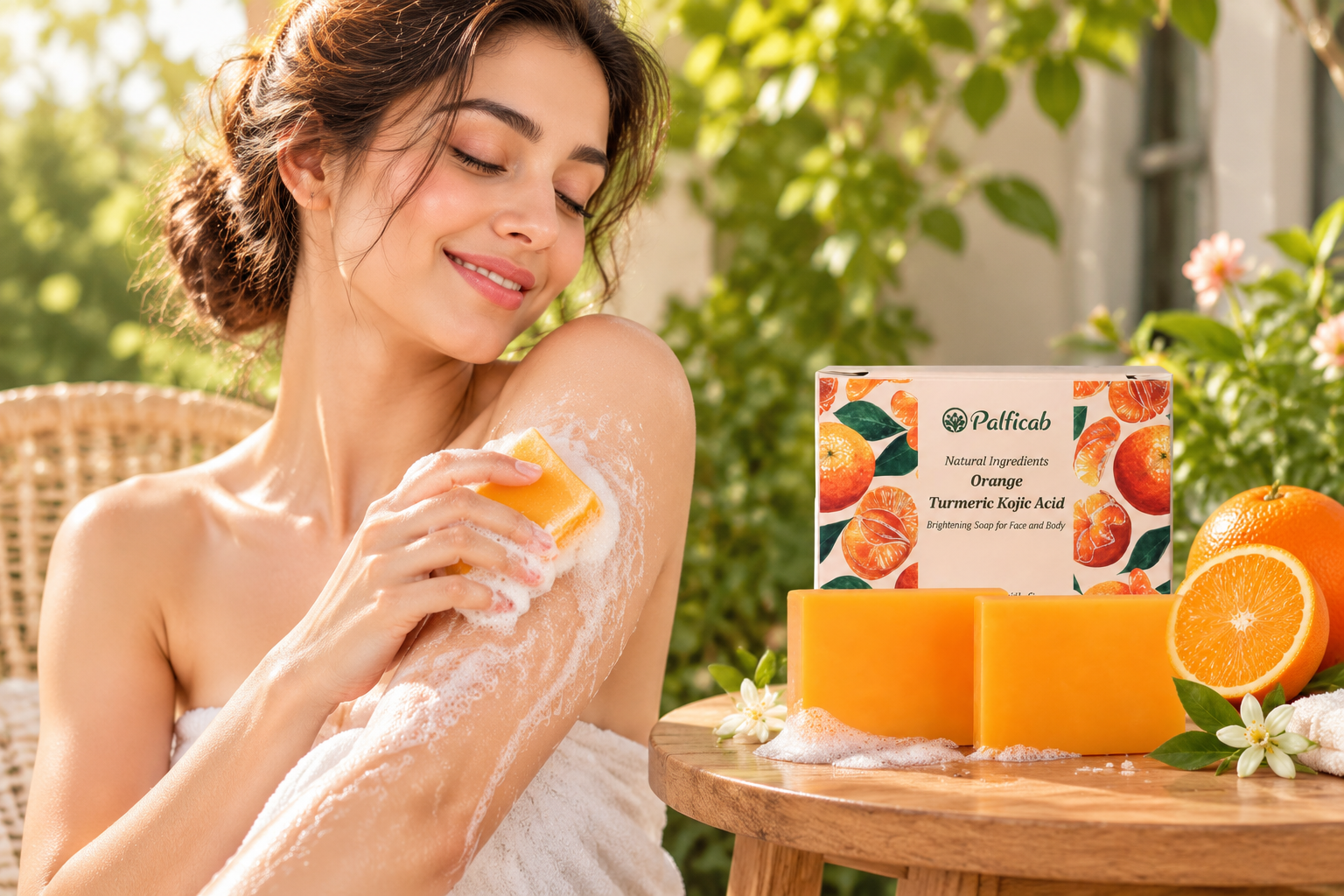
How to Protect Your Brightening Results Under the Sun
Even when using safe, non-phototoxic brightening bars, an undeniable dermatological principle applies: any active brightening regimen requires disciplined sun defense. As you gently exfoliate surface cellular debris and suppress excess melanin, fresh, youthful skin cells are brought to the surface. These newly revealed cells are naturally more receptive to daylight.
According to the Skin Cancer Foundation, consistent broad-spectrum photoprotection is the single most important factor in preventing UV-induced pigmentation and maintaining cellular health. Follow these essential habits to safeguard your glowing results:
- Apply Broad-Spectrum Sunscreen Daily: Apply a generous layer of SPF 30 or higher each morning, regardless of whether it is sunny or overcast outside. Reapply every two hours during prolonged outdoor exposure.
- Rinse Cleansers Thoroughly: When washing with brightening bars like Palficab Natural Ingredients Orange Turmeric Kojic Acid Brightening Soap, massage the rich lather over damp skin for 60 to 90 seconds, then rinse completely with lukewarm water before continuing your routine.
- Incorporate Deep Hydration: Follow your brightening cleanse with hydrating barrier creams rich in ceramides, squalane, or hyaluronic acid to lock in moisture and fortify cellular integrity.
- Optimize Your Routine Timing: If you plan on engaging in intense direct sun activities, such as a beach outing or hiking, use active brightening cleansers primarily during your evening shower ritual, giving your skin overnight hours to recover.
Step-by-Step Daily Ritual for Face and Body Transformation
Transforming hyperpigmented areas—whether on your face, neck, elbows, inner thighs, or back—requires consistency and gentle persistence. Here is an optimized daily protocol designed to maximize clarifying efficacy while preserving supreme sun defense:
- Lather and Cleanse: Wet skin with warm water. Work your Palficab Natural Ingredients Orange Turmeric Kojic Acid Brightening Soap into a rich, aromatic golden foam using your hands or a gentle exfoliating net.
- Targeted Contact: Apply the lather to areas of discoloration and gently circular massage for approximately one to two minutes, allowing kojic acid and turmeric to penetrate surface layers.
- Complete Rinse: Splash thoroughly with cool or lukewarm water until no slickness remains. Pat dry with a clean microfiber towel.
- Tone and Hydrate: Mist with a soothing alcohol-free toner (such as rose water or centella asiatica extract) and apply a nourishing moisturizer.
- Shield with Mineral or Chemical SPF: Finish your daytime routine with broad-spectrum sunscreen to lock in clarifying benefits and eliminate sun sensitivity risks.
Frequently Asked Questions (FAQ)
Can I go out in the sun immediately after using a kojic acid and citrus soap?
Yes, provided you have rinsed the cleanser off thoroughly and applied a broad-spectrum SPF 30 or higher sunscreen. Unlike leave-on raw lemon concoctions, balanced wash-off bars formulated with safe orange extracts and kojic acid do not remain on the skin to cause phytophotodermatitis, though newly brightened skin always requires sun protection.
Why did my skin get darker after using a DIY lemon wash?
Raw lemon juice contains furocoumarins that cause microscopic phototoxic burns when exposed to sunlight. In response to this inflammation, your melanocytes produce excess melanin as a defense mechanism, resulting in post-inflammatory hyperpigmentation that darkens the very spots you tried to lighten.
How long does it take to see visible results with turmeric and kojic acid bars?
Most individuals observe improved skin luminosity, smoother texture, and refreshed tone within 2 to 4 weeks of consistent twice-daily use. Deeply rooted sunspots, dark elbows, or stubborn body hyperpigmentation typically lighten visibly over 6 to 8 weeks when coupled with strict daily sun protection.
Can this soap be used on sensitive body areas like the bikini line and underarms?
Yes. Professionally balanced bars featuring soothing turmeric and gentle orange derivatives are designed for both facial and full-body use. If you have particularly delicate skin, start by lathering the area every other day for the first week to allow your skin barrier to acclimate comfortably.
Embrace the Safe Path to Unstoppable Radiance
The allure of clear, radiant skin should never come at the cost of phototoxic burns, irritated barriers, or accelerated sun sensitivity. While raw lemon juice remains one of skincare’s riskiest gambles under the sun, modern botanical science offers a vastly superior route. By harnessing the proven, harmonious blend of kojic acid, anti-inflammatory turmeric, and antioxidant-rich orange extracts, you can dismantle dark spots and reveal your most luminous complexion—safely and confidently.
