


You scrub in the shower, rinse well, towel off, and an hour after pulling your shoes on, the smell is back. If you’ve ever wondered why foot odor returns after washing, the short answer is that it isn’t really a cleanliness problem. It’s a moisture, bacteria and footwear problem, and soap is only one part of the fix.
Here’s what’s actually producing that smell, why a wash doesn’t keep it away for long, and the habits that make a measurable difference.
Sweat Doesn’t Smell. Bacteria Do.
Fresh sweat is essentially odorless. The smell appears when bacteria living on your skin metabolize components of sweat and shed skin cells. In the case of feet, research on the microbial origins of foot malodor has pointed to a handful of familiar species, including Staphylococcus, Brevibacterium, Micrococcus and Kytococcus. These bacteria break down amino acids such as leucine and produce volatile compounds, especially isovaleric acid (a sharp, cheesy smell) and volatile sulfur compounds.
The cheese comparison is more literal than it sounds: Brevibacterium linens is the same genus used to ripen certain strong-smelling washed-rind cheeses, which is one reason foot odor and aged cheese share a family resemblance.
Why Feet Are Especially Prone to Odor
Feet combine several risk factors that few other body areas have at the same time.
- A very high density of sweat glands. The soles carry one of the highest concentrations of eccrine sweat glands on the body, commonly cited at roughly 125,000 per foot, or around a quarter of a million across both feet.
- Hours of enclosure. Shoes and socks trap heat and moisture against the skin, creating the warm, damp, low-oxygen environment these bacteria prefer.
- Plenty of dead skin to feed on. The soles have thick, keratin-rich skin and often calluses. Laboratory work on foot malodor has shown that Kytococcus sedentarius can degrade callus protein and generate isovaleric acid, meaning thick dead skin is itself a food source for odor-producing bacteria.
- Stress sweating. Stress and anxiety activate sweat glands, adding more moisture to an already humid environment.
Why Washing Doesn’t Keep the Smell Away
A thorough wash genuinely removes sweat residue, surface oils and a portion of the bacteria. But it can’t create a sterile foot, and it isn’t meant to. Your skin’s resident bacteria recolonize within hours, and feet start sweating again almost immediately. Then a few specific habits can undo the clean slate quickly:
- Damp skin between the toes. If the spaces between toes stay damp after a shower, bacteria and fungi have a head start before your socks even go on.
- Re-contaminated footwear. Shoes absorb sweat and carry bacteria. Putting clean feet into yesterday’s damp shoes quickly reintroduces the problem.
- The wrong socks. Thick cotton can hold moisture against skin for hours, while moisture-wicking fabrics tend to move it away.
- Skipping the soles and heels. Water running over feet in the shower isn’t the same as washing them. The soles, heels and between-toe areas need actual contact with a cleanser.
Some individuals also seem to host larger populations of the odor-producing bacteria than others, which is one reason two people with identical routines can smell very different. That’s biology, not hygiene failure.
When It’s Not Just Odor: Signs of an Infection
Persistent, unusually strong foot odor can sometimes point to a treatable condition rather than ordinary bromodosis (the medical term for foot odor).
Pitted keratolysis is a bacterial infection of the soles, usually linked to Kytococcus sedentarius or Corynebacterium species. It produces small, punched-out pits in the skin, often with softened, whitish skin and a distinctively pungent odor. It’s associated with excessive sweating and prolonged enclosure in footwear, and it generally calls for treatment from a clinician (commonly topical antibiotics) rather than simply washing more.
Athlete’s foot (tinea pedis) and other fungal or bacterial infections can also change how feet smell, usually alongside itching, peeling, redness or cracked skin between the toes.
If the odor is sudden, severe, or comes with pits, peeling, itching, discolored nails or pain, it’s worth having a doctor or podiatrist look at it.
What Actually Helps
1. Wash the whole foot, and dry it completely
Use a cleanser on the soles, heels, tops and between each toe, then dry thoroughly, especially between the toes. Many people find this single step makes the biggest difference.
2. Rotate shoes and let them dry out
Wearing the same pair every day doesn’t give the lining time to dry. Alternating pairs, and letting shoes air out between wears, reduces how much moisture and bacteria get carried back onto clean feet.
3. Choose socks for moisture management
Change socks daily at minimum, and swap them midday if your feet sweat heavily. Moisture-wicking fabrics generally keep skin drier than thick cotton.
4. Keep calluses in check
Since thick dead skin feeds odor-producing bacteria, gently smoothing calluses with a foot file or pumice after bathing (never aggressively) removes some of that fuel.
5. Use a cleanser built for odor, not just fragrance
Fragrance covers a smell for a short while but doesn’t change the bacteria-and-sweat chemistry underneath. A cleanser formulated to address odor, used consistently on feet as well as underarms, helps you start each day with less surface residue to work with.
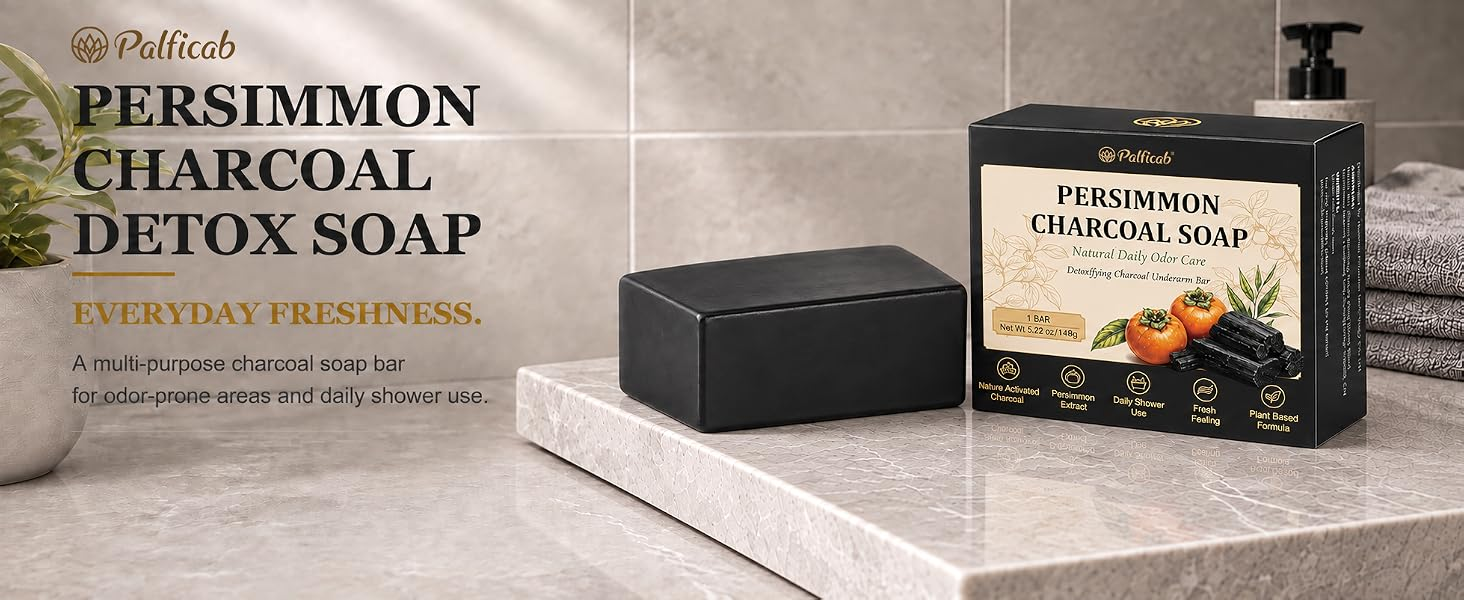
Where PALFICAB fits: Our 120g Persimmon Deodorant Soap is a natural-extract body wash bar made for body odor and gentle enough for all skin types, so it works for a daily wash of the underarms, body and feet. Persimmon is rich in tannins, and persimmon tannin has a long traditional history in Japan as a deodorizing agent. To be upfront, the evidence for persimmon in a rinse-off soap is more traditional than clinical, so we see it as a helpful part of a routine rather than a cure on its own.
See the Persimmon Deodorant Soap
A Simple Daily Routine
- Wash feet with soap, including soles, heels and between the toes.
- Dry completely, paying extra attention between the toes.
- Put on clean, dry, moisture-wicking socks.
- Wear shoes that have had a full day to air out.
- At day’s end, remove shoes and let them dry rather than leaving them in a closed bag or closet.
Frequently Asked Questions
Why do my feet still smell after I wash them?
Foot odor comes from bacteria breaking down sweat and dead skin into smelly compounds such as isovaleric acid. Washing removes some bacteria, but they return within hours, and damp shoes and socks give them a warm, moist place to multiply again.
Is foot odor a sign of poor hygiene?
Not usually. Feet have a very high density of sweat glands and spend hours enclosed in shoes, so odor can develop even in people who wash daily. Drying, footwear and sock habits matter as much as washing.
What is pitted keratolysis?
Pitted keratolysis is a bacterial skin infection of the soles, often linked to Kytococcus sedentarius or Corynebacterium species. It causes small punched-out pits, softened white skin and a pungent odor, and it typically needs treatment from a clinician rather than just better hygiene.
How often should I change my socks to prevent foot odor?
Change socks daily at minimum, and swap them midday if your feet get very sweaty. Moisture-wicking fabrics generally hold less dampness against the skin than thick cotton.
When should I see a doctor about smelly feet?
See a clinician if odor is sudden or severe, if you notice pits, peeling, itching, redness or discolored nails, or if the problem doesn’t improve after a couple of weeks of good foot care.
The Bottom Line
Foot odor after washing isn’t a sign that you’re doing something wrong. It’s the predictable result of a high concentration of sweat glands, enclosed footwear and fast-returning skin bacteria. The fixes that work are mostly about moisture control and consistency: wash the whole foot, dry it fully, rotate shoes, choose breathable socks, and use a cleanser designed for odor. If the smell is severe, sudden or comes with skin changes, get it checked rather than trying to out-wash it.
This article summarizes published research for general educational purposes and isn’t medical advice. If you have persistent foot odor, skin changes or signs of infection, consult a doctor or podiatrist.
Sources Referenced
- “Microbiological and biochemical origins of human foot malodour.” Research on Kytococcus, Staphylococcus, Brevibacterium and isovaleric acid production (ResearchGate).
- Ara, K., et al. “Foot odor due to microbial metabolism and its control.” Canadian Journal of Microbiology, 2006.
- Saravanan, R., Baalann, K.P. “Pitted keratolysis.” Pan African Medical Journal, 2022.
- Clinical trial listings on pitted keratolysis and foot odor management (ClinicalTrials.gov).
